Choosing the right custom ERP software is crucial for businesses aiming to streamline operations and enhance productivity. This article will guide you through the essential features, benefits, and pricing insights of custom ERP solutions, helping you make an informed decision. Many organizations struggle with inefficiencies and lack of integration across departments, which can hinder growth. Custom ERP software offers tailored solutions that address these challenges, providing a cohesive platform for managing various business processes. We will explore key features to compare, the benefits of implementation, and how pricing models can influence your investment decisions.
Key Features:
When evaluating custom ERP software, it's essential to consider several key features that can significantly impact your business operations. These features include:
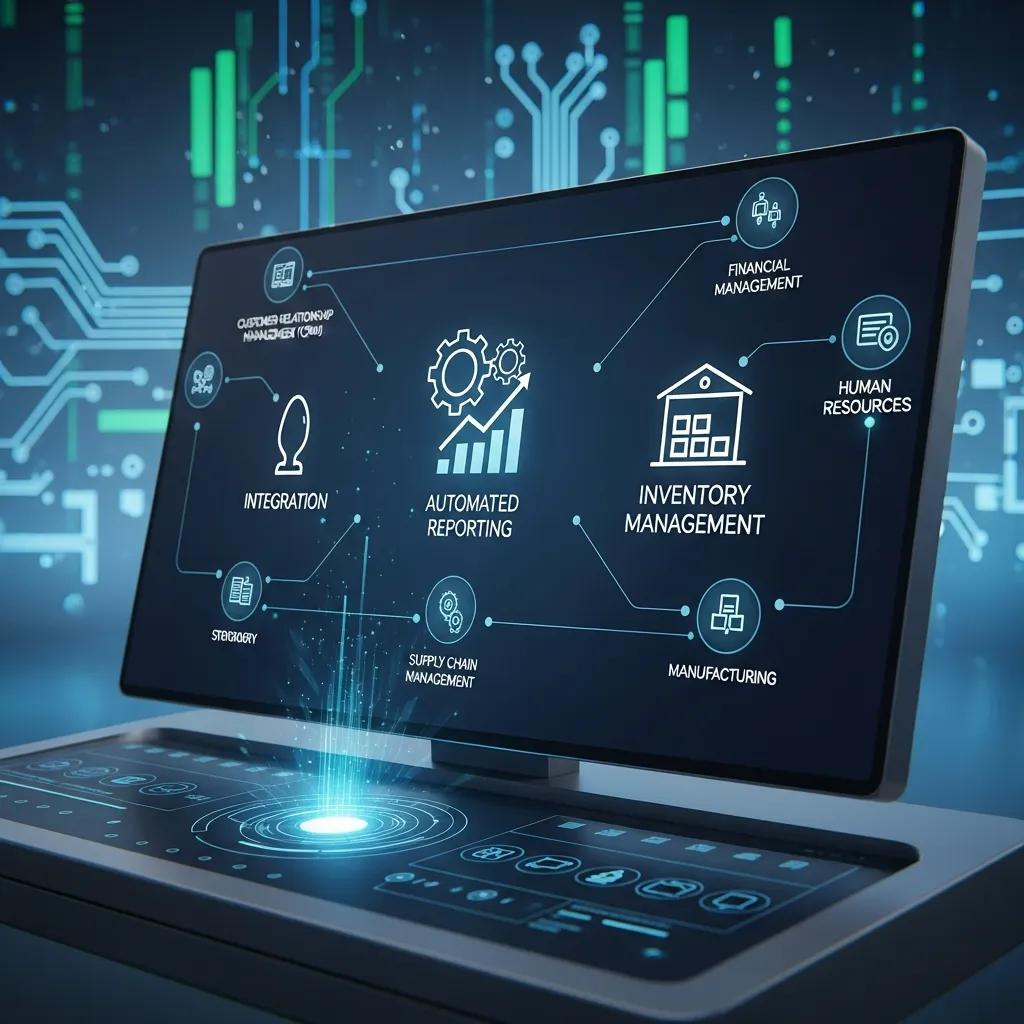
- Integration of Core Functions: A robust ERP system should seamlessly integrate various business functions such as finance, HR, and supply chain management, ensuring data consistency and operational efficiency.
- Automated Reporting: Custom ERP solutions often come with advanced reporting tools that automate data collection and analysis, providing real-time insights into business performance.
- Inventory Management: Effective inventory management features help businesses track stock levels, manage orders, and optimize supply chain processes, reducing costs and improving service levels.
These features are critical in ensuring that the ERP system aligns with your business needs and enhances overall productivity.
Benefits:
Implementing custom ERP software can yield numerous benefits for your organization. Here are some of the most significant advantages:
- Operational Efficiency: By automating routine tasks and streamlining processes, custom ERP solutions can significantly enhance operational efficiency, allowing employees to focus on more strategic activities.
- Cost Reduction: Custom ERP systems can help identify inefficiencies and reduce operational costs through better resource management and process optimization.
- Enhanced Visibility: With a centralized database, businesses gain improved visibility into their operations, enabling better decision-making and strategic planning.
For businesses looking to maximize these benefits, partnering with a technology consulting firm can provide valuable insights and support throughout the implementation process.
Pricing Insights:
Understanding the pricing models for custom ERP software is crucial for making an informed investment decision. Here are some key insights into ERP pricing:
- Implementation Costs: Initial costs can vary significantly based on the complexity of the system and the level of customization required. It's essential to budget for these expenses to avoid surprises later.
- Subscription-Based Pricing: Many ERP providers offer subscription-based pricing models, which can be more manageable for businesses as they spread costs over time rather than requiring a large upfront investment.
- Total Cost of Ownership: Evaluating the total cost of ownership is vital, as it includes not only the initial purchase price but also ongoing maintenance, support, and potential upgrades.
| Pricing Model |
Description |
Typical Cost |
| Implementation |
Initial setup and customization |
Varies widely |
| Subscription |
Monthly or annual fees for software access |
$100 - $500 per user/month |
| Total Cost of Ownership |
Comprehensive cost including maintenance and upgrades |
Generally estimated at 1.5 - 2 times initial cost over 5 years |
This table illustrates the different pricing models and their implications for businesses considering custom ERP solutions.
What Are the Key Features to Compare in Custom ERP Software?
When comparing custom ERP software, focus on the following key features:
- User Training and Support: Ensure the provider offers comprehensive training and ongoing support to help your team effectively utilize the system.
- Scalability: The software should be able to grow with your business, accommodating increased users and additional functionalities as needed.
- Cross-Departmental Collaboration: Look for features that facilitate collaboration between departments, enhancing communication and workflow efficiency.
Indeed, fragmented systems can pose significant challenges to effective internal communication and collaboration.
ERP Integration: Overcoming Fragmented Systems for Collaboration
A fragmented use of three different Enterprise Resource Planning (ERP) systems was identified as a major obstacle to effective cross-departmental enterprise communication, which are essential for balancing effective collaboration and information flow within the organization.
Improving Cross-Department Communication Process, 2025
Which ERP Modules Drive Business Process Automation?
Several ERP modules are essential for driving business process automation:
- Financial Management: Automates accounting processes, ensuring accurate financial reporting and compliance.
- Inventory Management: Streamlines inventory tracking and order management, reducing manual errors and improving efficiency.
- Sales and CRM: Enhances customer relationship management by automating sales processes and providing insights into customer behavior.
How Do Deployment Types Affect ERP Software Scalability?
The deployment type of your ERP software can significantly impact its scalability:
- Cloud-Based ERP: Offers flexibility and scalability, allowing businesses to easily adjust resources based on demand.
- On-Premise ERP: Provides more control but may require significant investment in hardware and infrastructure, limiting scalability.
- Hybrid ERP: Combines the benefits of both cloud and on-premise solutions, offering a balanced approach to scalability.
What Are the Benefits of Custom ERP Implementation for Your Business?
Custom ERP implementation can provide several key benefits:
- Improved Efficiency: Tailored solutions can address specific business needs, leading to enhanced operational efficiency.
- Tailored Features: Customization allows businesses to incorporate unique features that align with their processes and goals.
- Cost-Effectiveness: While initial costs may be higher, the long-term savings from improved efficiency and reduced errors can outweigh these expenses.
How Does Customization Enhance Operational Efficiency?
Customization plays a crucial role in enhancing operational efficiency by:
- Centralized Data Management: Custom ERP systems allow for centralized data storage, reducing data silos and improving access to information.
- Automation of Business Processes: Tailored workflows can automate repetitive tasks, freeing up employee time for more strategic initiatives.
- Enhanced Reporting and Analytics: Custom solutions can provide advanced reporting capabilities, enabling better insights into business performance.
This focus on tailored solutions is critical, as effective customization directly addresses the complexities of modern business operations.
Custom ERP: Enhancing Inter-Departmental Communication & Efficiency
Todayʼs organizations tend to offer customized products and services to satisfy challenging customer needs. In this context, product customization spans product variant configuration as well as actual custom engineering. Particularly custom engineering induces various obstacles that organizations must overcome in order to effectively and efficiently realize inter-departmental communication and smooth internal order processing. Both are mandatory to achieve customer satisfaction and outcompete competitors.
Effective and efficient customization through lean trans-departmental configuration, B Steffen, 2016
What ROI Can Businesses Expect from Custom ERP Solutions?
Businesses can expect a positive return on investment (ROI) from custom ERP solutions through:
- Faster Month-End Close Cycles: Streamlined financial processes can significantly reduce the time required for month-end closing.
- Improved Compliance: Automated compliance features help ensure adherence to regulations, reducing the risk of penalties.
- Stronger Customer Satisfaction: Enhanced operational efficiency leads to better service delivery, improving customer satisfaction and retention.
How Do ERP Software Pricing Models Influence Your Investment Decision?
The pricing model of ERP software can greatly influence your investment decision by:
- Subscription-Based Pricing: This model allows for predictable budgeting and can be more accessible for smaller businesses.
- Perpetual Licensing: While requiring a larger upfront investment, this model may be more cost-effective in the long run for larger organizations.
- Tiered Pricing: Different tiers can offer varying levels of functionality, allowing businesses to choose a plan that best fits their needs and budget.
What Are the Common Pricing Structures for ERP Software?
Common pricing structures for ERP software include:
- Modular Pricing: Businesses pay for only the modules they need, allowing for a more tailored approach.
- Usage-Based Pricing: Costs are based on actual usage, which can be beneficial for businesses with fluctuating needs.
- Cost Management: Understanding the total cost of ownership helps businesses budget effectively for ERP solutions.
How to Evaluate Total Cost of Ownership in ERP Solutions?
Evaluating the total cost of ownership (TCO) in ERP solutions involves considering:
- Initial Costs: The upfront investment required for software purchase and implementation.
- Ongoing Costs: Regular expenses for maintenance, support, and potential upgrades.
- Long-Term Financial Implications: Assessing how the ERP system will impact overall business costs and efficiency over time.
When evaluating the long-term financial implications, it's crucial to consider the ongoing costs associated with maintaining and upgrading customized ERP systems.
Custom ERP TCO: Managing Costs & Customization Challenges
ERP implementation project's total cost of ownership (TCO) includes several direct and indirect costs. Upgrading custom ERP systems is costly and laborious, as customizations need to be re-implemented or re-tested with each new version, which can lead to significant downtime and resource consumption.
Total Cost of Ownership Optimization for ERP System Implementation Project Using Advanced, 2024
Who Are the Top ERP Vendors to Consider in 2026?
As of 2026, some of the top ERP vendors to consider include:
- Odoo: Known for its flexibility and modular approach, Odoo offers a wide range of applications for various business needs.
- Microsoft Dynamics 365: A comprehensive solution that integrates seamlessly with other Microsoft products, providing robust functionality.
- NetSuite: A cloud-based ERP solution that offers extensive features for financial management and e-commerce.
What Differentiates Leading ERP Vendors in Custom Solutions?
Leading ERP vendors differentiate themselves through:
- Modular Design: Allowing businesses to select and pay for only the features they need.
- Comprehensive Integration: Ensuring that all modules work together seamlessly for improved efficiency.
- Cloud-Based Flexibility: Offering scalable solutions that can adapt to changing business needs.
How Are Cloud and AI Trends Shaping ERP Vendor Capabilities?
Current trends in cloud computing and artificial intelligence (AI) are significantly shaping ERP vendor capabilities by:
- Cloud ERP Adoption: Increasing demand for cloud solutions allows for greater flexibility and scalability.
- AI Integration: AI technologies enhance data analysis and decision-making processes, providing businesses with deeper insights.
- Modular ERP Solutions: The trend towards modularity enables businesses to customize their ERP systems to better fit their unique requirements.
To further enhance your ERP strategy, consider partnering with Phoenix Consulting Services for expert guidance and support.