How to Choose the Best ERP Software for Your Business
Selecting the right ERP (Enterprise Resource Planning) software is crucial for businesses aiming to streamline operations and enhance productivity. With a plethora of options available, understanding the essential features and modules is vital for making an informed decision. This article will guide you through the key considerations for choosing the best ERP software tailored to your business needs. We will explore the essential features to evaluate, the core modules necessary for efficiency, and how deployment options can impact your choice. Additionally, we will discuss how to compare leading ERP vendors and systems, analyze vendor reputation, and understand pricing models to maximize your return on investment.
What Are the Essential ERP Software Features to Evaluate?
When evaluating ERP software, several essential features should be prioritized to ensure the system meets your business needs effectively. Key functionalities include:
- Integration Capabilities: The ability to integrate with existing systems and third-party applications is crucial for seamless operations.
- User Experience: A user-friendly interface enhances employee adoption and reduces training time.
- Customization Options: The software should allow for customization to fit specific business processes and requirements.
These features not only enhance operational efficiency but also contribute to a smoother transition during implementation. Understanding these aspects will help you make a more informed choice when selecting an ERP system.
Which Core Modules Should Your ERP Include for Business Efficiency?
Identifying the core modules necessary for effective ERP implementation is essential for maximizing business efficiency. Key modules to consider include:
- Finance Module: This module manages financial transactions, budgeting, and reporting, providing insights into the financial health of the organization.
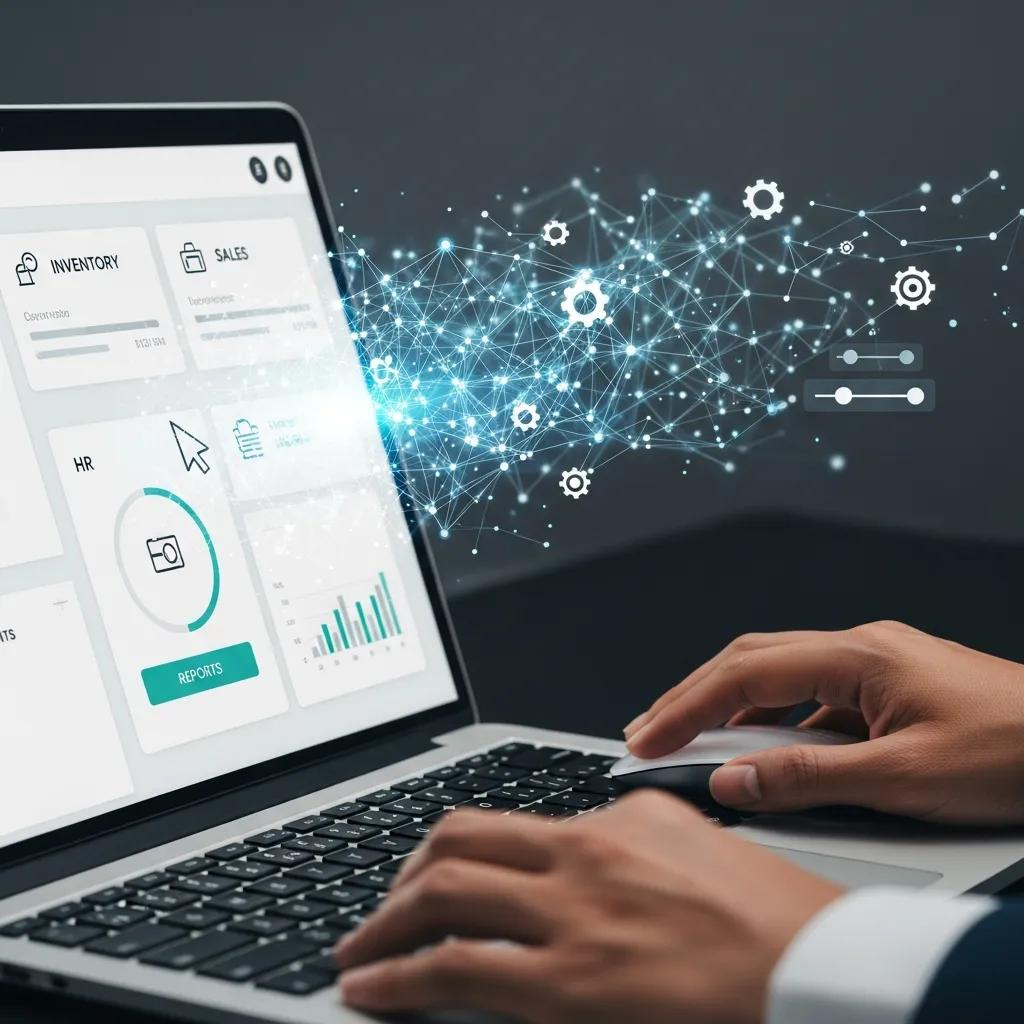
- Inventory Module: Essential for tracking stock levels, orders, and deliveries, this module helps optimize inventory management and reduce costs.
- CRM Module: A Customer Relationship Management module enhances customer interactions and supports sales and marketing efforts.
Incorporating these core modules into your ERP system can significantly improve operational workflows and decision-making processes.
How Do Cloud and On-Premise Deployment Options Impact Your Choice?
The choice between cloud and on-premise deployment options can significantly impact your ERP selection.
- Advantages of Cloud Deployment: Cloud-based ERP systems offer flexibility, scalability, and lower upfront costs. They allow for remote access and automatic updates, which can enhance collaboration and reduce IT overhead.
- Disadvantages of On-Premise Deployment: While on-premise solutions provide greater control over data and security, they often require higher initial investments and ongoing maintenance costs.
Understanding these deployment options will help you align your ERP choice with your business strategy and operational needs.
How to Compare Leading ERP Vendors and Systems in 2026?
When comparing ERP vendors and systems, consider the following criteria:
- Vendor Reputation: Research the vendor's history, customer reviews, and case studies to gauge their reliability and support.
- Support Options: Evaluate the level of customer support offered, including training, troubleshooting, and ongoing assistance.
- Scalability: Ensure the ERP system can grow with your business, accommodating future needs and expansions.
By focusing on these criteria, you can make a more informed decision when selecting an ERP vendor that aligns with your business goals.
What Criteria Define the Best ERP Systems for Different Industries?
Different industries have unique requirements that influence the selection of ERP systems. Key criteria to consider include:
- Industry-Specific Features: Look for ERP solutions that offer functionalities tailored to your industry, such as compliance management for healthcare or supply chain management for manufacturing.
- Customization Options: The ability to customize the ERP system to meet specific industry needs is crucial for maximizing its effectiveness.
By understanding these criteria, businesses can select ERP systems that not only meet general requirements but also cater to their specific industry challenges.However, it's important to consider the long-term implications of extensive customization, especially for highly specialized industries.
ERP Customization for Specialized Industries
However, when specialized or unique requirements are needed, careful consideration becomes imperative in terms of custom modifications and the selected technologies integrated into the system. These modifications and technological choices can exert a far-reaching impact on the long-term maintenance and upgradability of the core ERP system. This consideration is particularly crucial for companies operating in specialized industries, where standard capabilities often fall short in supporting their core processes.
Implementation Challenges of Industry-Specific ERP System Solutions by Utilizing Best Practices, T Orosz, 2023
How to Analyze Vendor Reputation, Support, and Scalability?
Assessing vendor reputation, support, and scalability is critical in the ERP selection process.
- Vendor Reputation Metrics: Investigate customer testimonials, industry awards, and market presence to evaluate the vendor's credibility.
- Support Options: Determine the availability of customer support channels, including phone, email, and live chat, as well as the quality of training resources.
- Scalability: Ensure the ERP system can adapt to your business's growth, allowing for additional users, modules, or features as needed.
This analysis will help you choose a vendor that not only meets your current needs but also supports your future growth.
What Are the Key Steps in a Successful ERP Implementation?
A successful ERP implementation involves several key steps:
- Planning and Assessment: Conduct a thorough assessment of your business processes and define clear objectives for the ERP system.
- Stakeholder Involvement: Engage key stakeholders from various departments to ensure their needs are considered during the implementation process.
- Training and Support: Provide comprehensive training for users to facilitate a smooth transition and maximize the system's benefits.
Following these steps can significantly enhance the likelihood of a successful ERP implementation.
How to Plan and Manage ERP Deployment Timelines Effectively?
Effective planning and management of ERP deployment timelines are essential for minimizing disruptions. Key strategies include:
- Phased Implementation: Consider implementing the ERP system in phases to reduce risk and allow for adjustments based on feedback.
- User Testing: Conduct thorough testing with end-users to identify potential issues before full deployment.
By adopting these strategies, businesses can ensure a more efficient and effective ERP deployment process.
What Common Challenges Arise and How to Overcome Them?
Common challenges in ERP implementation include:
- Data Quality Issues: Inaccurate or incomplete data can hinder the effectiveness of the ERP system. Implement data cleansing processes before migration.
- Over-Customization: While customization can enhance functionality, excessive modifications can complicate future updates and maintenance. Aim for a balance between customization and standardization.
Addressing these challenges proactively can lead to a smoother implementation experience.
How to Understand ERP Software Pricing and Maximize ROI?
Understanding ERP software pricing is crucial for budgeting and maximizing return on investment. Key considerations include:
- Pricing Models: Familiarize yourself with different pricing models, such as subscription-based or one-time licensing fees, to determine the best fit for your budget.
- Cost Factors: Consider additional costs, such as implementation, training, and ongoing support, when evaluating total expenses.
By comprehensively understanding pricing structures, businesses can make more informed financial decisions regarding ERP investments.
What Pricing Models Exist and How Do They Affect Total Cost?
ERP software pricing models can significantly impact total costs. Common models include:
- Subscription-Based Pricing: This model typically involves monthly or annual fees, providing flexibility and lower upfront costs.
- One-Time Licensing Fees: A one-time payment grants perpetual access to the software, but may require additional costs for updates and support.
Understanding these models will help businesses choose the most cost-effective option for their needs.
How to Calculate the Return on Investment from ERP Solutions?
Calculating the return on investment (ROI) from ERP solutions involves several key factors:
- ROI Calculation Methods: Use metrics such as cost savings, increased productivity, and improved customer satisfaction to quantify benefits.
- Factors Affecting ROI: Consider variables such as implementation time, user adoption rates, and ongoing operational costs when assessing ROI.
By accurately calculating ROI, businesses can better understand the financial impact of their ERP investments.To further enhance your ERP strategy, consider consulting with experts at Phoenix Consulting for tailored solutions.